Choosing the correct anilox roll is an important step in controlling ink transfer and achieving consistent flexographic printing results. The specification affects how ink is carried by the engraved surface, but print quality also depends on ink formulation, printing plate, substrate, press conditions, and the required result.
For buyers, the key question is not simply which LPI or BCM value is highest. It is which combination suits the specific application and can be validated under realistic production conditions.
1. Understanding LPI and BCM
LPI means lines per inch and describes the engraving line count. BCM, or billion cubic microns per square inch, expresses the cell volume. Together, these values help describe the ink-carrying characteristics of the roll.
In general, higher LPI with relatively low volume is often considered for fine process printing and halftones. Lower LPI with higher volume may be suitable for some solid-color and coating applications that require heavier ink laydown.
However, these relationships are not universal rules. Cell geometry, cell opening, ink properties, and the condition of the roll also influence transfer performance. Two rolls with the same nominal LPI may produce different results if their volume or engraving characteristics differ.
When reviewing an Anilox Roll, buyers should therefore confirm both LPI and BCM and provide the application details needed to evaluate compatibility.
2. Selecting a Specification for Different Print Requirements
The target print result should guide the selection.
Fine process printing and halftones: A higher line count and controlled cell volume may help manage ink laydown and preserve fine image detail. The plate screen, ink, substrate, and press settings remain important.
Lines and text: Line width, text size, ink behavior, and the characteristics of the printing plate influence the suitable specification.
Solid colors: Greater volume may be required for adequate coverage, but excessive ink transfer can affect edge definition and consistency.
Opaque white: Higher volume may be considered, but opacity depends on pigment characteristics, ink formulation, substrate, and transfer efficiency. A high BCM value alone does not guarantee the desired opacity.
Varnishes and coatings: The required coating weight, viscosity, cell geometry, and surface finish all matter. The engraving specification should be matched to the particular coating application.
Published selection charts can provide starting points, but buyers should not treat a general range as a final engineering specification. Consult the ink supplier and confirm the candidate specification through testing under representative production conditions.
3. Do Different Ink Types Require Different Anilox Rolls?
Water-based, UV, and solvent-based inks can have different transfer and processing characteristics, so the same anilox roll may not suit every application.
Water-based inks require evaluation of viscosity, pigment concentration, substrate absorbency, and drying conditions. UV inks require consideration of formulation, rheology, pigment properties, and curing conditions. Solvent-based inks should be evaluated in relation to formulation, substrate compatibility, press settings, and the target print result.
Specialty inks may also require attention to pigment particle size and cell opening. An unsuitable cell structure can contribute to poor transfer or plugged cells.
The most useful selection process considers the complete combination of ink, plate, substrate, and press conditions. A controlled print trial or banded-roll test can help compare candidate specifications.
Other rollers used in printing and converting should be distinguished by function. A Gravure Roll serves a different printing process, while Coating Rolls are used in applicable coating operations. They should not be treated as direct replacements for anilox rolls without a specific process-based assessment.
4. What Should Buyers Prepare Before Ordering?
A clear technical inquiry helps suppliers assess compatibility and prepare a more relevant quotation. Buyers should provide:
-
Press model and printing application.
-
Roll diameter, face length, and overall dimensions.
-
Existing LPI and BCM, if known.
-
Ink or coating type and available material information.
-
Substrate and required print result.
-
Current problems or reason for replacement.
-
Inspection requirements and expected documentation.
If an existing roll produces inconsistent results, check its condition before changing the specification. Cell wear, plugged cells, cleaning practices, ink condition, and press setup can all affect ink transfer. A new LPI or BCM value may not solve an issue caused by maintenance or operating conditions.
For repeat jobs, record successful combinations of ink, plate, substrate, LPI, BCM, press conditions, and print results. This provides a useful reference when ordering replacements or troubleshooting quality variation.
For applicable central-impression presses, CI Impression Drums are also relevant to registration and print stability. Their role differs from that of anilox rolls, but overall press condition should be considered when evaluating print performance.
5. How to Compare Suppliers and Replacement Options
Supplier evaluation should consider technical compatibility, specification clarity, inspection arrangements, documentation, delivery terms, and communication—not just price.
Before placing an order, clarify the required dimensions, LPI, BCM, engraving characteristics, and applicable acceptance criteria. Where inspection records are available, confirm which parameters are measured and how results will be documented.
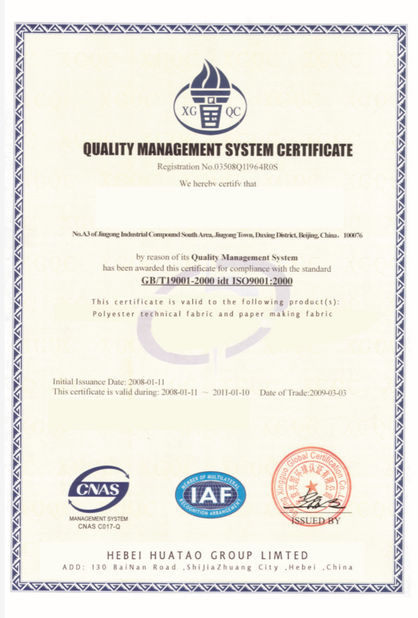
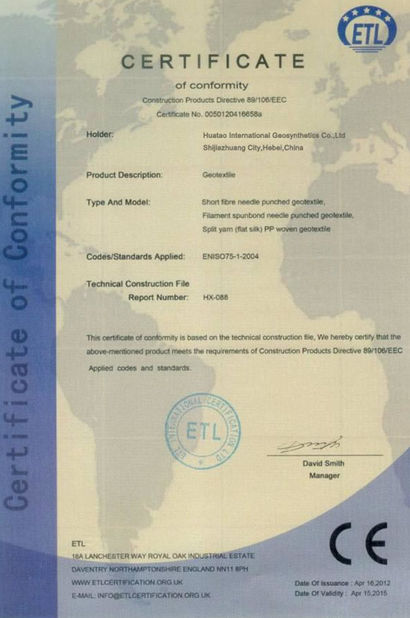
Buyers can review the HUATAO Rolls website for industrial roller information and the About HUATAO page for company background. Project-specific capabilities and supply arrangements should be confirmed for each inquiry.
HUATAO GROUP provides industrial roller solutions for printing, packaging, and converting applications. Buyers can share their press model, roll dimensions, existing LPI and BCM, ink type, substrate, and target print result for a preliminary technical review. Any proposed solution remains subject to technical evaluation and confirmation of the project requirements.
Conclusion
The correct anilox roll LPI and BCM combination depends on the full printing application. Fine process work, solid colors, opaque white, and coatings can have different requirements, and ink type alone is not enough to determine the specification.
By considering cell volume, engraving geometry, ink formulation, substrate, plate characteristics, roll condition, and actual test results together, printing companies can make more informed selection and replacement decisions.
Related Products and Resources
Contact
Tony Liu
General Manager | International Department
Mobile / WhatsApp / WeChat: +86 13383112591
E-mail: sale08@huataogroup.com
Website: https://www.huataorolls.com/


 Votre message doit contenir entre 20 et 3 000 caractères!